


The Mysteries of Dublin

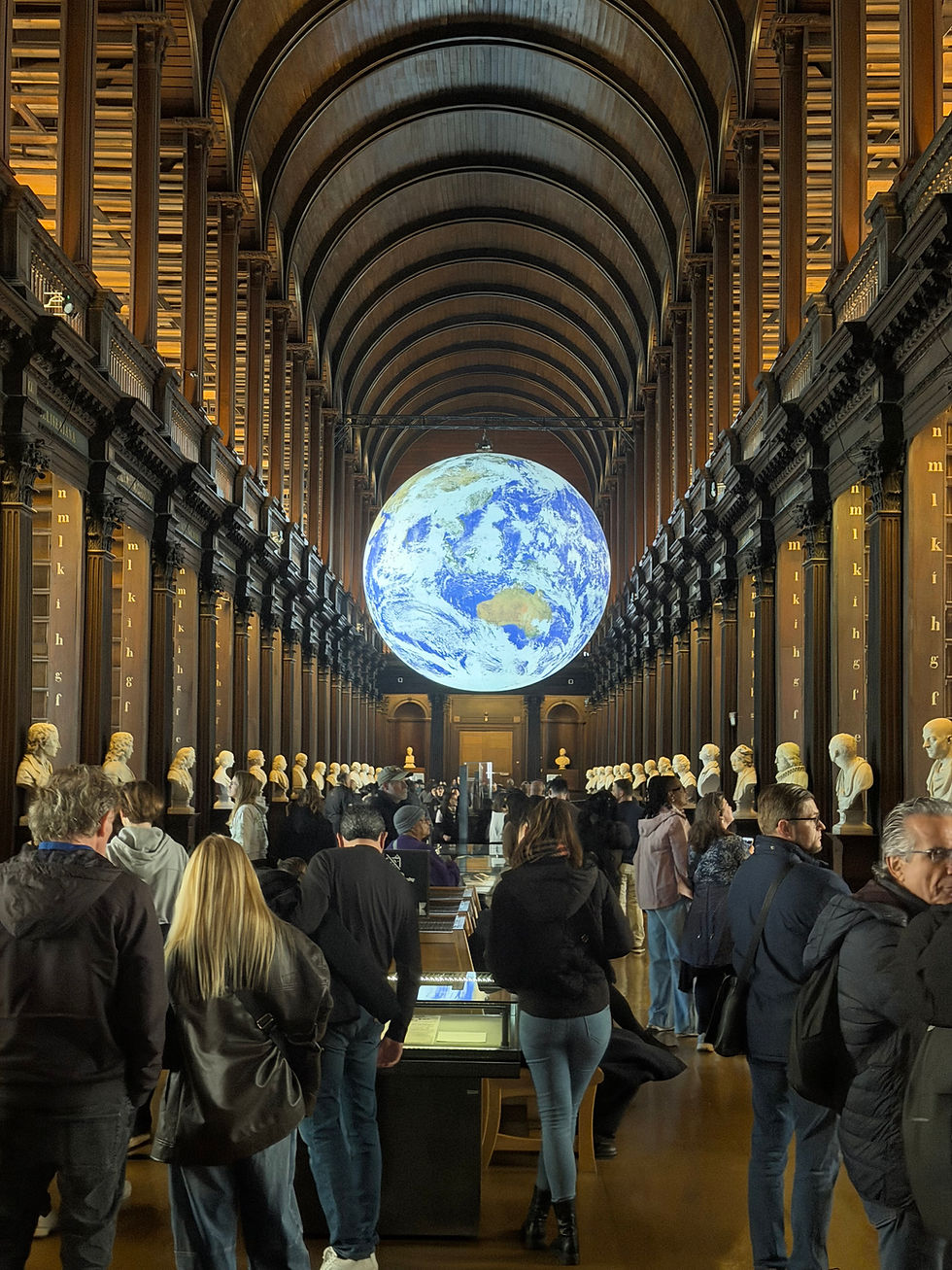
In numerous cultures around the world, a deep-seated pride exists in individuals who achieve excellence in various domains, whether in sports, the arts, music, or beyond. Among these, the Irish culture stands out for its profound emphasis on heritage and identity, often expressed through the preservation and display of archaeological artifacts and culturally significant items. A prime example of this dedication to cultural heritage can be found at Trinity College in Dublin, home to the illustrious Book of Kells.
Created in the 9th century, the Book of Kells is a lavishly illustrated manuscript that beautifully encompasses the four Gospels written in Latin. This masterpiece is not only renowned for its intricate calligraphy but also for its splendid representations of Insular art, characterized by unique styles that emerged in the British Isles. Art enthusiasts and history buffs alike are often captivated by the manuscript's remarkable illustrations, which feature elaborate hieroglyphs, vivid images, and a meticulously chosen color palette aimed at narrating stories from the early Christian centuries. The Book of Kells has become a significant symbol of Ireland's cultural identity and serves as an inspiration for those who appreciate the intersection of art and spirituality.
Further enriching Ireland's artistic landscape is the National Gallery of Ireland, also located in Dublin. This esteemed institution is home to a remarkable collection that spans several centuries, showcasing a variety of artworks from medieval pieces to masterpieces by renowned artists. Notably, the gallery houses works that capture critical moments in Dublin's history, allowing visitors to witness the evolution of art and culture through time. Among the illustrious artists represented are Walter Osborne, William Orpen, and Harry Clarke, each contributing their distinct style and perspective to the tapestry of Irish art.

One artwork that stands out in the National Gallery is "The Meeting on the Turret Stairs," painted in 1864 by the talented Irish artist Frederic William Burton. This exquisite piece is particularly remarkable not only for its artistic quality but also for its fragility; crafted with watercolor and gouache on paper, it remains highly vulnerable to light damage and requires careful preservation. The vibrant colors that Burton applied over a century and a half ago have remarkably retained their brilliance, allowing the artwork to continue telling its poignant story to each new generation. Visitors to the gallery are encouraged to take a moment to appreciate this beautiful piece, not only for its aesthetic value but also for the historical context it represents.
In summary, both the Book of Kells and The Meeting on the Turret Stairs are essential cultural treasures that offer insight into Ireland's rich heritage and enduring artistic legacy. They are must-see items for anyone looking to understand and appreciate the depth of Irish culture and history.


Comments